
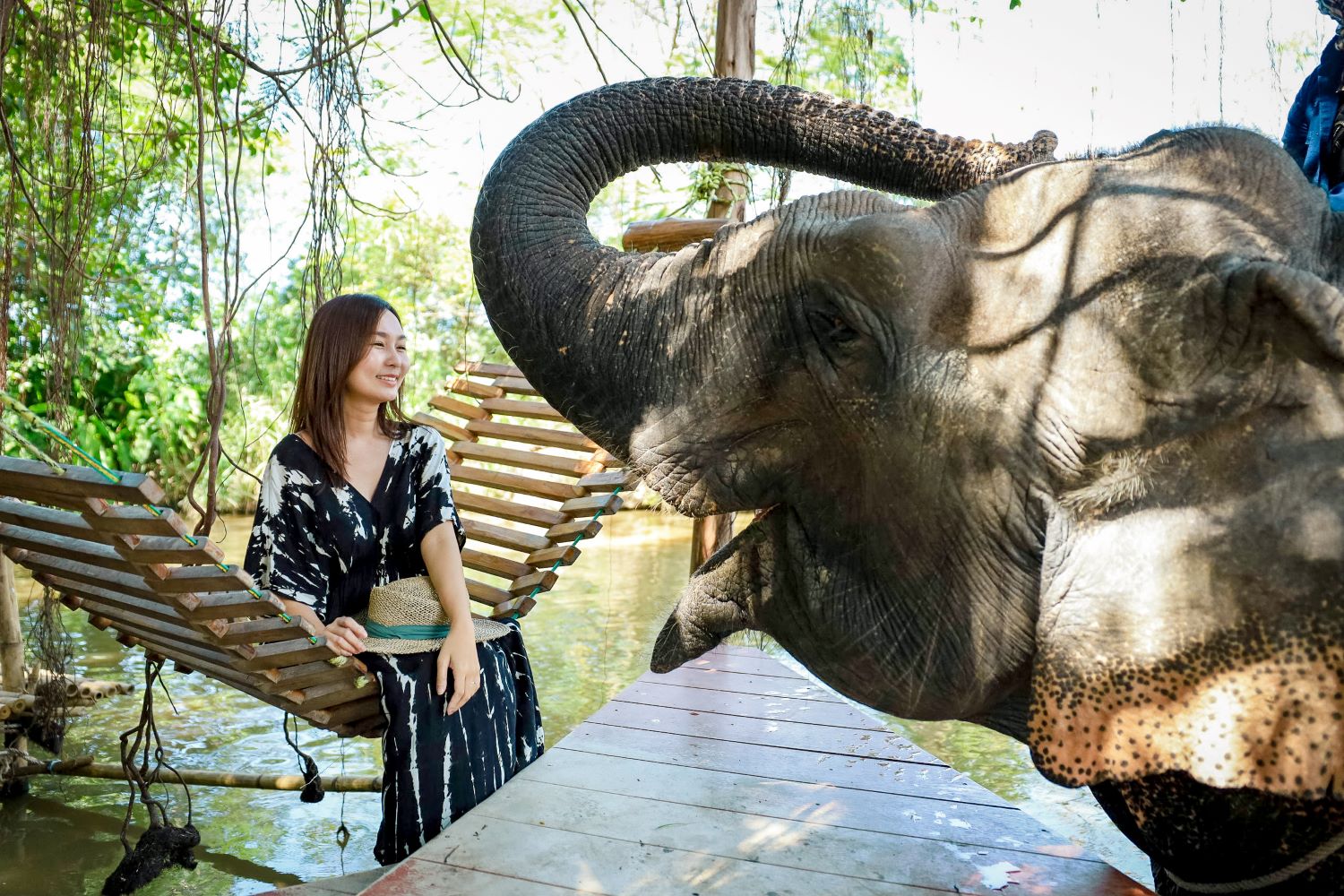
Koh Phangan’s jungles and beaches are famous for parties and sunsets, but tucked between those tourist staples is a quieter draw: the phangan elephant sanctuary. We’ve visited sanctuaries across Thailand and seen firsthand how thoughtful programs can transform an elephant’s life. This guide walks us through why visiting an elephant sanctuary on Koh Phangan matters, how to choose an ethical operation, what a typical day looks like, and ways we can support elephant welfare beyond booking a tour.
Why Visit An Elephant Sanctuary On Koh Phangan?
Koh Phangan offers more than scenic beaches: it’s become a refuge for retired, rescued, or rehabilitated elephants. When we choose the right sanctuary, our visit does three things at once: it enriches our travel experience, supports local conservation, and provides essential funding for ongoing animal care.
Sightseeing alone can feel shallow. Seeing elephants in a setting that prioritizes their well-being changes that. We get to observe natural behaviors, social interaction, foraging, bathing, rather than staged performances. That authentic experience helps build empathy and understanding, and when sanctuaries operate ethically, visitor fees go directly toward veterinary care, food, and habitat management.
On Koh Phangan, sanctuaries tend to be smaller than some mainland centers, which often results in more personal interactions and transparency. That means we can ask questions, learn about each animal’s history, and leave knowing our visit made a tangible difference.
Ethical Considerations And Sanctuary Standards To Look For
Not all places that call themselves “sanctuaries” meet ethical standards. We should look for concrete signs of good practice before we commit time and money.
- No riding policy: True sanctuaries prohibit riding and any forced performances. Riding encourages harmful training and equipment usage.
- Transparent animal histories: Reputable sanctuaries will openly share each elephant’s background, rescue story, and medical needs.
- Naturalistic environment: Elephants should have space to roam, shade, mud wallows, and access to bathing areas. Enclosures that mimic their natural habitats are essential.
- Skilled veterinary staff: On-site vets or regular veterinary partnerships are non-negotiable for ongoing care.
- Enrichment and socialization programs: Look for structured activities that promote mental stimulation and allow elephants to form social bonds.
- Clear funding model and community engagement: Ethical operations explain where visitor fees go and often work with local communities to provide livelihoods beyond tourism.
We should be wary of sanctuaries that use baby elephants for photo ops, insist on close-contact interactions like selfies, or hide their facilities from visitors. If a sanctuary won’t let us see the elephants’ living conditions, that’s a red flag.
What To Expect During A Sanctuary Visit
Visits vary by sanctuary, but most ethical programs follow similar rhythms. Being prepared helps us get the most out of the experience, and ensures our behavior aligns with the sanctuary’s rules.
Activities And Daily Schedule
Typical visits begin in the morning when elephants are most active. A sample schedule might include:
- Welcome and orientation: Staff introduce the sanctuary’s mission and safety rules.
- Feeding time: Guests often help prepare or distribute browse and fruits, under staff supervision.
- Walk or observation period: Rather than forced trekking, many sanctuaries offer guided walks along trails where we observe elephants foraging and interacting.
- Bathing session: Watching elephants bathe or helping with gentle scrubbing (if allowed) is a highlight. Water is vital for elephant health, and bathing is both practical and enriching.
- Educational talk: Staff explain threats to wild and captive elephants, veterinary care, and how the sanctuary was established.
We should expect limited direct contact: ethical sanctuaries prioritize elephant choice and safety over photo opportunities.
Animal Care And Conservation Work You May See
During our visit we might witness or learn about a range of care activities: wound treatments, foot care inspections (crucial, since foot problems are common in captive elephants), vaccinations, and enrichment exercises. Some sanctuaries run breeding-avoidance programs or coordinate rescues with authorities. Seeing conservation work firsthand helps us understand how complex elephant welfare really is.
How Sanctuaries Care For Their Elephants
Good sanctuaries combine daily husbandry with long-term medical and behavioral strategies. Their goal is to give elephants a life that, as much as possible, resembles natural conditions.
Feeding, Medical Care, And Enrichment Programs
Elephants eat a lot, up to several hundred pounds of vegetation daily, so nutrition is a major budget item. Sanctuaries provide a varied diet of grasses, leaves, fruit, and supplementary minerals. Regular health checks include dental and foot inspections, de-worming schedules, and vaccinations.
Enrichment programs keep elephant minds active: puzzle feeders, varied substrates for walking, novel scents, and social opportunities. We’ve seen elephants use feeding puzzles made from recycled materials, simple but effective tools that provide mental stimulation and mimic foraging challenges.
Rescue, Rehabilitation, And Release Efforts
Not every rescued elephant can return to the wild: many have been habituated to human care or suffer injuries that prevent survival in the wild. Still, sanctuaries work with wildlife authorities on rehabilitation and, where feasible, soft-release programs. Some sanctuaries also play a role in intercepting illegal trade or providing temporary refuge while legal cases proceed.
Planning Your Visit: Practical Tips
A little planning makes for a smoother, more meaningful visit. Here’s what we’ve learned works best.
Booking, Prices, And What’s Included
Book directly through the sanctuary’s official website or a trusted local operator. Prices vary, half-day experiences start lower, while full-day or multi-day programs cost more and often include meals and transfers. Ask what’s included: food donations, a guided walk, lunch, and any conservation talks should be clear up front. If a sanctuary asks for cash-only payments or keeps costs opaque, we probe further.
Group sizes matter: smaller groups mean less stress for animals and a better educational experience for us. If you want a deeper experience, look for volunteer or internship programs that allow multi-day stays and hands-on learning (these typically require background checks and a clear scope of responsibilities).
Getting There: Transport Options On Koh Phangan
Koh Phangan is compact but hilly. Most sanctuaries provide pick-up and drop-off from main piers or popular beaches. Taxis, motorbike taxis, and rental scooters are common options if you’re traveling independently, but allow extra time for bumpy roads. If you’re not comfortable driving, book transfers, many sanctuaries include them in full-day packages.
Best Times To Visit And Seasonal Considerations
Koh Phangan’s climate affects both visitor comfort and elephant behavior. The island has two main seasons: the dry season (roughly February to May) and the rainy season (monsoon months typically August–October).
We prefer visiting during the dry season: trails are easier to navigate, bathing areas are accessible, and elephants tend to be more active. During the rainy season, trails can be muddy and some outreach or rescue activities may slow down. But, fewer tourists then mean quieter, more intimate interactions and lower impact on sanctuary resources.
Avoid the stormiest weeks and check sanctuary announcements, sometimes operations scale back during heavy rains or high tides.
Alternatives And Responsible Tourism Options On Koh Phangan
If an ethical sanctuary visit isn’t available or you want to diversify your impact, there are other responsible options on Koh Phangan:
- Volunteer with local conservation projects that focus on habitat restoration, marine conservation, or sea turtle protection.
- Support community-run eco-tourism like guided nature walks and sustainably managed homestays.
- Visit elephant educational centers that don’t offer direct contact but provide talks and observation, useful if you want to learn without close interaction.
Whatever we choose, prioritize initiatives that employ locals, reinvest in community programs, and operate transparently.
How To Support Elephant Welfare Beyond Your Visit
A single visit helps, but sustained support matters more. Here are practical ways we can contribute:
- Donate to vetted sanctuaries: Regular donations often fund long-term medical care and habitat maintenance.
- Sponsor an elephant: Many sanctuaries offer sponsorship programs that cover food and medical costs for a specific animal.
- Advocate and educate: Share what we learn with friends and on social media, accurate information reduces demand for exploitative attractions.
- Support policy change: Back initiatives and organizations working on stronger wildlife protection laws in Thailand and Southeast Asia.
- Choose ethical operators: When booking travel activities, favor businesses that commit to welfare standards and community benefit.
Small actions add up. If each visitor commits to ethical choices and ongoing support, sanctuaries can plan confidently for the future of their animals.
Conclusion
Visiting a phangan elephant sanctuary can be a deeply rewarding part of our trip, provided we choose wisely. By prioritizing sanctuaries that refuse riding, practice transparency, and invest in veterinary care and enrichment, we help ensure elephants receive the dignity and care they deserve. Plan ahead, ask the hard questions, and consider ways to keep supporting elephant welfare long after we leave the island. If we do that, our visit becomes more than a photo: it becomes part of a sustainable solution for these remarkable animals.